
Iswa
The lodge is comprised of 7 local chapters, each covering a designated service area within the boundaries of the Indian Waters Council. An Arrowman’s chapter is determined based on the district (of the council) in which their unit is chartered, and much of the lodge program and administration are organized around chapter membership (e.g., competitions at the Fellowships, Unit Election Team visits). When a chapter is initially established, the members choose a fitting name, which is both distinctive and provides some level of identity for the chapter members.
Service Area
The Sandhills District of the Indian Waters Council runs diagonally across the state, parallel to the coastline, covering Kershaw, Lee, Sumter, and Clarendon counties. The district name owes itself to the Sandhills region of South Carolina in which many of the counties are found. The Sandhills area is marked by bands of clay and sand, and it effectively unites the Midlands and Pee Dee areas of the state.[4]
Chapter Name Etymology
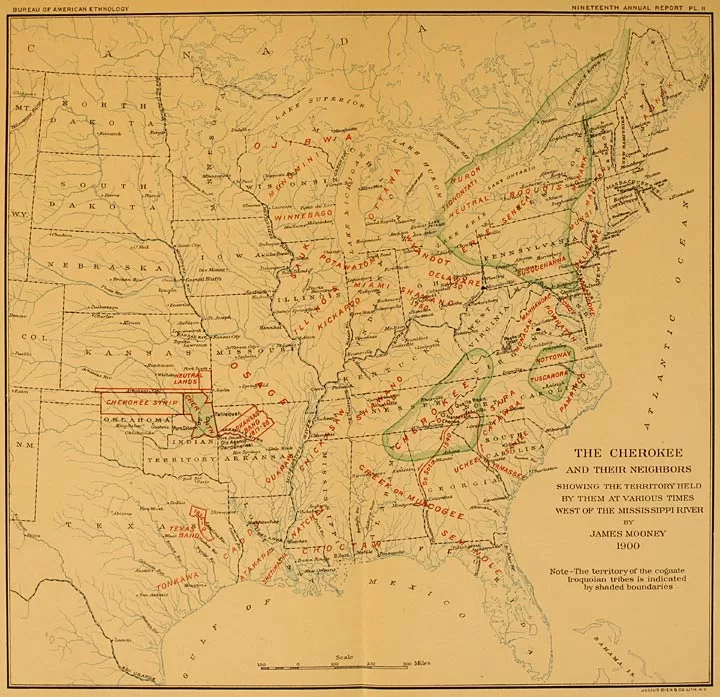
The Catawba Native American tribe originally inhabited land on the banks of the Catawba River, just within the northern border of present day South Carolina. They were among the largest, most significant of the tribes to the east of the Cherokee territory, numbering as many as 7,000 individuals[1]. The Catawba referred to themselves as ye iswa (“ye” people + “iswa” river), which translates to “people of the river” in the Catawban language.[2] The people of the river lend their name to the Catawba River[3], which continues as the Wateree River, eventually emptying into Lake Marion, marking the inland border of South Carolina’s Pee Dee region and the Sandhills District.
1Mooney, James. “Myths of the Cherokee: Extract from the Nineteenth Annual Report of the Bureau of American Ethnology .” Washington Government Printing Office, 1902.
2Brammer, John Paul. “Native American Two Spirit Fights to Keep Tribe’s Language Alive.” NBCNews.com, NBCUniversal News Group, 8 May 2017, https://www.nbcnews.com/feature/nbc-out/native-american-two-spirit-fights-keep-tribe-s-language-alive-n755471.
3Scaife, Hazel Lewis. “History and Condition of the Catawba Indians of South Carolina,” Office of Indian Rights Association, Philadelphia, PA, 1896.
4Murphy, C. H. (2022, August 23). Sandhills. South Carolina Encyclopedia. https://www.scencyclopedia.org/sce/entries/sandhills/
Contact Leadership
Each chapter has an elected Chapter Chief, Vice Chief, and Secretary, with guidance provided by their selected adviser. Chapter members should contact their Chapter Chief with any questions or to schedule a unit election visit.
Chapter Chief
Chapter Vice Chief
Chapter Secretary
Chapter Adviser

#iswa